Sabarmati Ashram

Overview

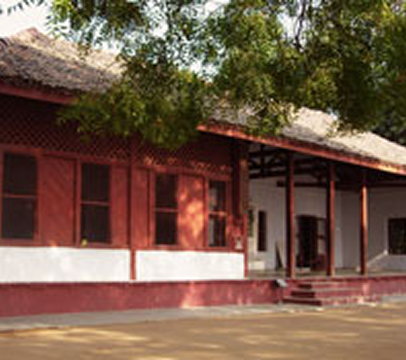
On the western bank of the Sabarmati River, the ashram’s whitewashed walls and brick courtyards mark the space where Mahatma Gandhi lived from 1917 to 1930. This was more than a residence; it was a centre of social reform, community building, and India’s nonviolent independence movement. Visitors can walk through the open verandahs, functional cottages, and riverside paths to trace Gandhi’s daily routines, witness the simple architecture in which he lived, and experience the quiet rigour with which he shaped modern India.
For guests of House of MG, a short drive from the ashram offers the opportunity to explore Ahmedabad’s history firsthand, transforming a visit into an engaging heritage experience.

History and Cultural Significance

Sabarmati Ashram was established on June 17, 1917, relocating from Gandhi’s earlier base at Kochrab Ashram. Covering 36 acres, it became a hub for Khadi weaving, rural training, and communal living, embodying Gandhi’s philosophy of self-reliance. The ashram gained historical prominence as the starting point of the Dandi March in 1930, a seminal moment in India’s civil disobedience movement against British colonial rule.
Beyond its political significance, the ashram was designed as a living laboratory of Gandhian ideals. Residents engaged in spinning, farming, and teaching, reflecting a lifestyle rooted in simplicity, discipline, and service.

Architecture and Layout

The ashram is a collection of functional cottages, open courtyards, and riverside pathways, designed for communal living rather than grandeur. Key areas include:
The ashram’s structures are modest yet purposeful. Verandahs and courtyards create natural ventilation, while the layout allows easy movement between cottages, workspaces, and gardens.

Experiencing the Ashram

Visitors can explore the ashram through:
Guests can also observe spinning wheels (charkhas) and workshops demonstrating Khadi production, connecting visitors to Gandhi’s emphasis on self-reliance.

Visitor Information

The best time to visit Is Early morning, when there are fewer visitors and the natural light is soft for photography.

Nearby Attractions

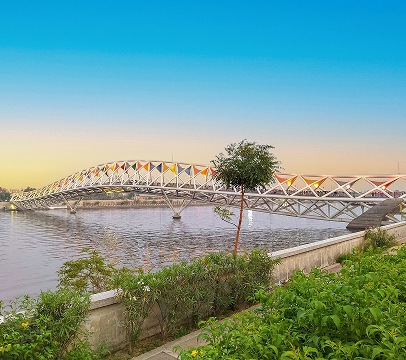
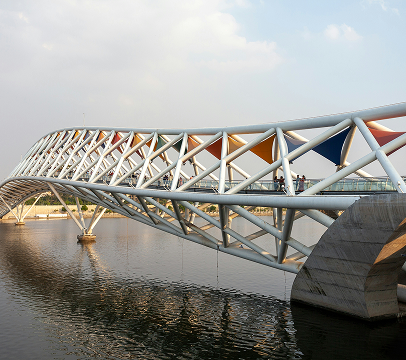
Sabarmati Riverfront

Sabarmati Riverfront

A rejuvenated promenade ideal for walking, cycling, and experiencing Ahmedabad’s urban riverscape.
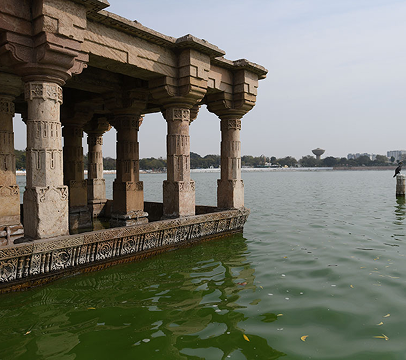
Kankaria Lake

Kankaria Lake

A historic lake with cultural events, boat rides, and recreational facilities.
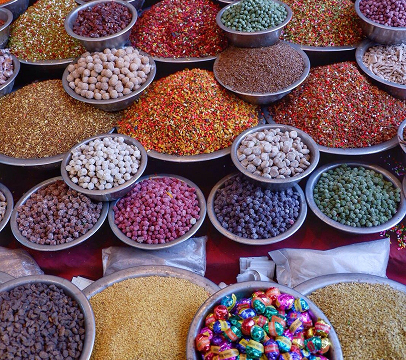
Manek Chowk

Manek Chowk

Lively street food hub in the heart of Ahmedabad’s old city.
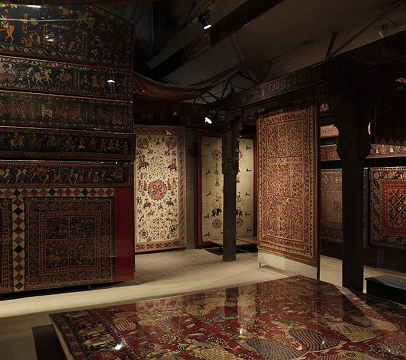
Calico Museum of

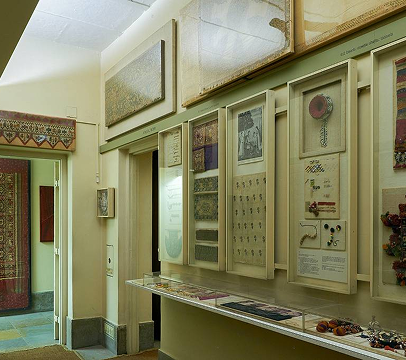
Calico Museum of Textiles

Showcases centuries of textile heritage, just 10 minutes from the ashram.

Suggested Itinerary

Where to Stay Near Sabarmati Ashram

Dining and Culinary Experiences

House of MG Dining

House of MG Dining

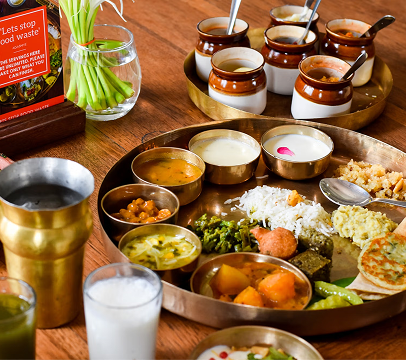
Authentic Gujarati cuisine with locally sourced ingredients, served in heritage courtyards.
Agashiye

Agashiye

A traditional rooftop restaurant in Ahmedabad offering thalis and street-view dining.
Manek Chowk Stalls

Manek Chowk Stalls

Enjoy an evening street food experience featuring pav bhaji, bhajiya, and kulfi.

Photography and Instagram Spots

Hridaya Kunj verandahs

Hridaya Kunj verandahs

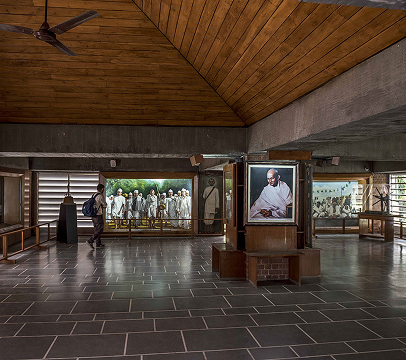
Capture Gandhi’s personal spaces and sunlight through wooden beams.
Riverfront views

Riverfront views

Early morning reflections of the ashram in the Sabarmati River.
Courtyards and spinning wheels

Courtyards and spinning wheels

Close-ups of heritage architecture and cultural artefacts.
Museum

Museum exhibits

Carefully composed shots of letters, photographs, and manuscripts.

FAQ's

1. What is the best time to visit Sabarmati Ashram?
Early morning is ideal for quiet exploration and natural light for photography.
Approximately 5 kilometres, around a 10-minute drive.
Yes, we recommend taking a free guided tour. Groups are advised to book in advance.
Yes, visitors are welcome to photograph the gardens, courtyards, and exterior areas of the property. Interior photography should respect exhibits.
Hridaya Kunj, the Gandhi Memorial Museum, and the ‘My Life is My Message’ Gallery.
Yes, the ashram demonstrates traditional methods of Khadi production.
Typically 1 to 1.5 hours, or longer if combined with nearby attractions.
Yes, the Calico Museum, Manek Chowk, and the old city markets are all within a 15–20 minute drive.

Ready to stay with us?