Calico Museum of Textiles

Overview

The Calico Museum of Textiles in Ahmedabad stands as one of India’s most respected institutions devoted to the study and preservation of textiles. Established in 1949 by Gautam Sarabhai and Gira Sarabhai, the museum embodies the Sarabhai family’s vision of safeguarding India’s textile heritage and presenting it within an environment of architectural and cultural significance. Located within The Retreat at Shahibaug, the museum is situated amid shaded gardens, carved wooden facades, and quiet courtyards that reflect the elegance of traditional Ahmedabad homes.
Internationally recognised, the Calico Museum presents over five centuries of Indian textile traditions, from royal brocades and Mughal carpets to regional weaves and ritual fabrics. Each gallery showcases how craft, design, and community traditions have shaped India’s artistic identity.

History & Architecture

The museum was first established within the Calico Mills compound, one of Ahmedabad’s pioneering textile enterprises. In 1983, it was moved to The Retreat in Shahibaug under the management of the Sarabhai Foundation. The relocation transformed the museum into a space that harmoniously combines architecture, art, and scholarship.
The architecture reflects the Gujarati haveli style, characterised by intricately carved wooden panels, shaded corridors, and interconnected courtyards. The museum is divided into two primary sections. The Haveli Galleries display historical and religious textiles, including brocades, temple cloths, and Mughal-era weaves. The Chauk Galleries exhibit regional embroidery, costumes, and decorative crafts that reflect India’s social and cultural diversity.
Together, they trace the evolution of textile design from sacred temple hangings to contemporary weaving traditions. Every object reveals how colour, technique, and form were used to express faith, identity, and craftsmanship across time.

Experiencing the Museum

Visits to the Calico Museum are guided and require booking. The morning tour focuses on the Haveli galleries, where visitors encounter early ceremonial and religious textiles from the region. These include pichwais, detailed kalamkari panels, and silk patolas from Gujarat that showcase the mastery of dyeing and weaving techniques.
The afternoon tour explores the Chauk galleries, which display regional embroidery, tribal textiles, and costumes from across India. The museum also features collections of Jain manuscript paintings, decorative temple hangings, and South Indian bronzes, offering a comprehensive view of Indian visual culture.
The experience here is contemplative. As light filters through carved windows, the colours of natural dyes and handwoven fabrics appear to shift and deepen, revealing the richness of India’s living textile tradition.

Visitor Information

Nearby Attractions

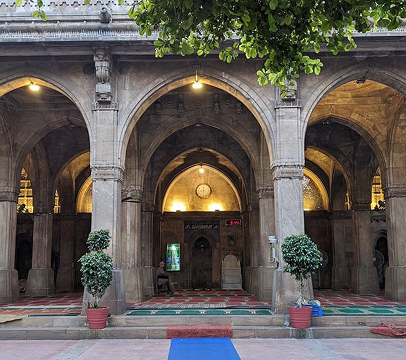
Sidi Saiyyed Mosque

Sidi Saiyyed Mosque

Known for its intricate stone latticework depicting the famous Tree of Life.
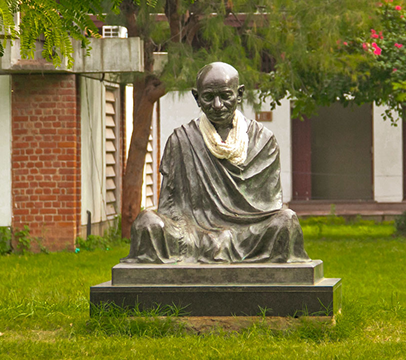
Sabarmati Ashram

Sabarmati Ashram

Mahatma Gandhi’s residence and a symbol of India’s freedom movement.
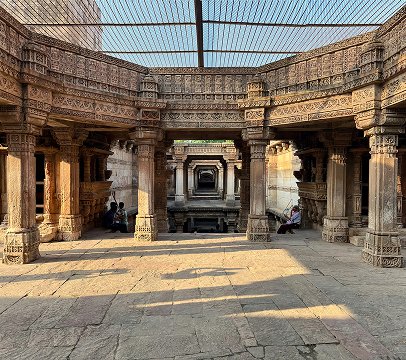
Adalaj Stepwell

Adalaj Stepwell

A 15th-century monument blending Hindu and Islamic design traditions.
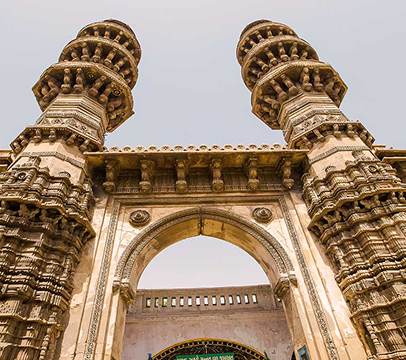
Jhulta Minar

Jhulta Minar

The Shaking Minarets of Ahmedabad, celebrated for their architectural ingenuity.
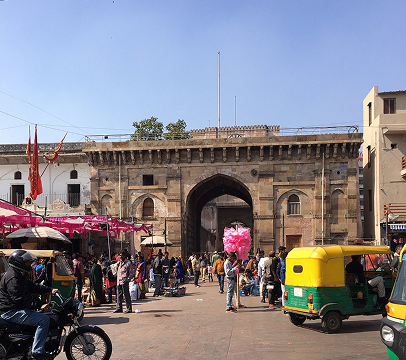
Manek Chowk 1

Manek Chowk

A lively old-city market offering authentic street food and local crafts.

Suggested Itinerary

Where to Stay Near Calico Museum

Dining & Culinary Experiences

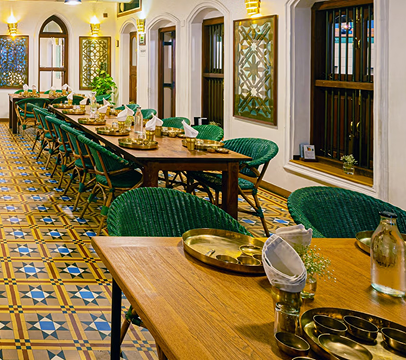
House of MG Dining 1

House of MG Dining

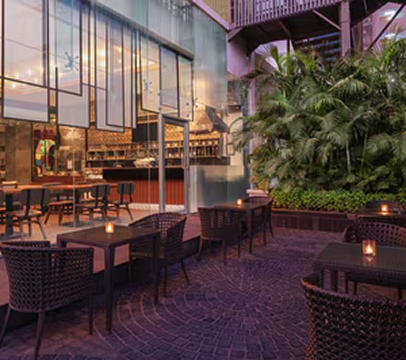
The Green House café serves regional and seasonal dishes in a peaceful courtyard setting. Agashiye, the rooftop restaurant, offers traditional Gujarati thalis that celebrate the state’s culinary heritage.
Nearby Cafes and Restaurants

Nearby Cafés and Restaurants

Mill and Co. – Contemporary coffee and snack bar

Photography and Visitor Tips

FAQ's

1. What is the Calico Museum of Textiles known for?
It is renowned for its exceptional collection of Indian textiles, which represent centuries of craftsmanship, trade, and artistic expression.
It was founded in 1949 by Gautam Sarabhai and Gira Sarabhai.
The museum is situated at The Retreat, Shahibaug, Ahmedabad.
No, photography and videography are strictly prohibited.
Entry is free, but registration is required in advance.
Morning tours are from 10:30 AM to 12:30 PM, and afternoon tours are from 2:30 PM to 4:30 PM.
Children below 10 years are not allowed. Those aged 10 to 15 may visit with a guardian.
A typical tour lasts about two hours.
No, booking is required.
The best time to explore Ahmedabad’s heritage sites is between October and March, when the weather is pleasant.

Ready to stay with us?