Adalaj Stepwell, Ahmedabad

Overview

Located in the village of Adalaj, just 18 kilometres north of Ahmedabad, the Adalaj Stepwell (Adalaj ni Vav) is a striking example of 15th-century craftsmanship. Built to provide water, shelter, and a gathering space for travellers, it showcases a harmonious combination of Hindu and Islamic architectural motifs. Every carved pillar, niche, and landing tells a story of devotion, artistry, and functionality that has endured for centuries.

History and Cultural Significance

The Adalaj Stepwell was commissioned in 1498 by Rana Veer Singh of the Vaghela dynasty. After he died in battle, the project was completed in 1499 by Sultan Mahmud Begada of the Gujarat Sultanate. This collaboration reflects the spirit of cultural harmony and architectural innovation of the time.
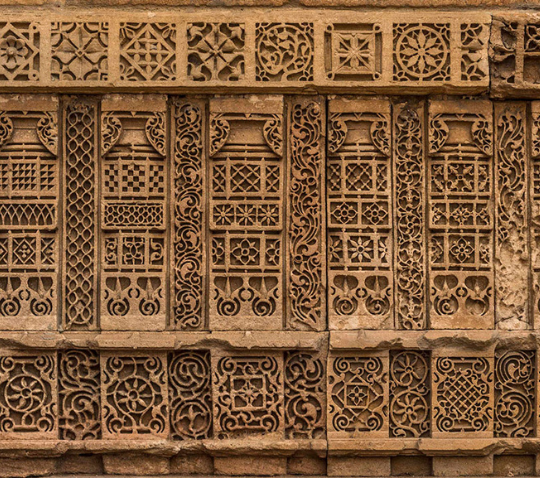
Constructed in the Solanki architectural style, the stepwell descends five stories and features intricately carved pillars, an octagonal layout at the top, and open ceilings that allow light and ventilation. The carvings depict deities, dancers, scenes of daily life, and symbolic motifs, such as the Kalp Vriksha (Tree of Life) and Ami Khumbor (Water Pot of Life). The fusion of geometric Islamic patterns and Hindu iconography makes Adalaj Stepwell unique among India’s historic water structures.

Experiencing the Stepwell

Visitors enter through the stunning gateway, where the first impression is one of scale, symmetry, and delicate detailing. Descending the steps, the air becomes noticeably cooler, and the interplay of sunlight and shadows highlights the complex carvings.
Each landing shows a new set of sculptures and motifs. The first floor features carvings of local women engaged in their daily lives. Deeper floors display celestial beings, dancers, and mythical creatures. The journey to the bottom is both visual and sensory, with each step showing a closer view of the engineering precision and artistic finesse that define this five-story structure.

Visitor Information

Nearby Attractions

Untitled design

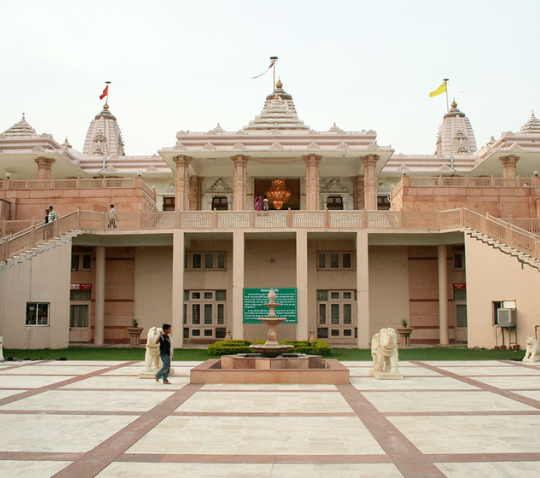
Trimandir

Located approximately 4 kilometres from Adalaj Stepwell, this multi-faith temple complex presents serene spiritual experiences.
Untitled design 1

Dada Harir Vav

A 15th-century stepwell in Ahmedabad with intricate carvings and historical significance.
Untitled design 2

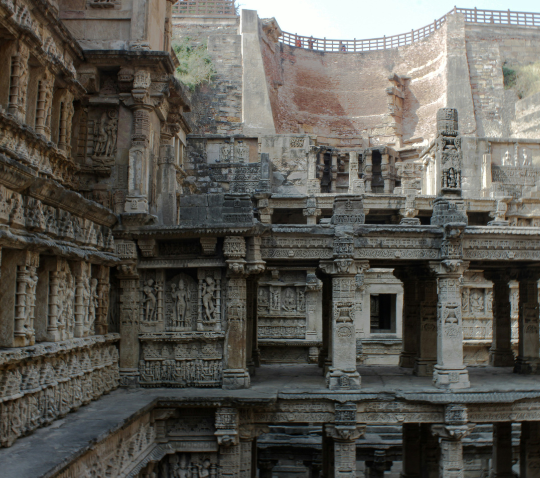
Rani ki Vav, Patan

A UNESCO World Heritage Site famous for its elaborate stepwell architecture.

Suggested Itinerary

Dining & Culinary Experiences

Untitled design 1 1

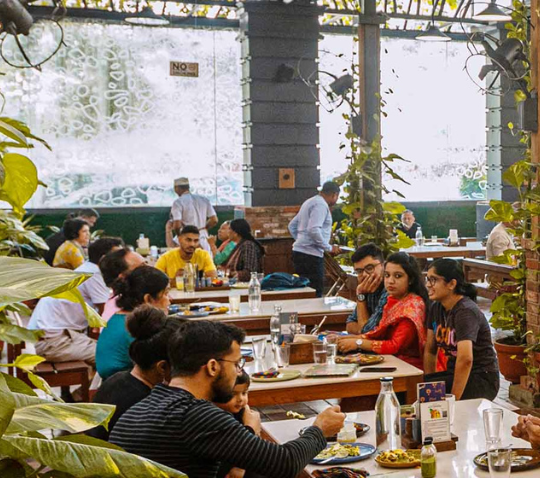
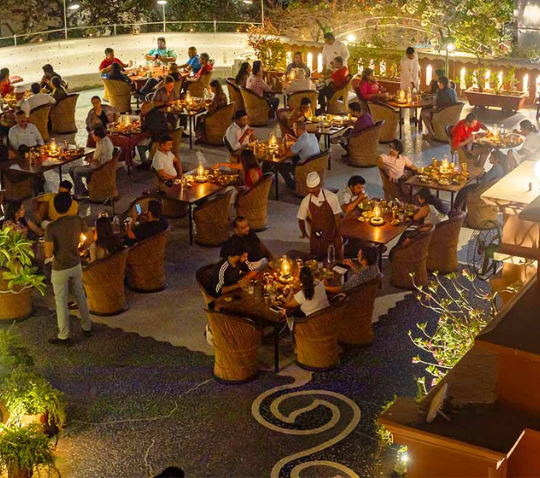
House of MG Dining

Traditional Gujarati thalis prepared with locally sourced ingredients in restored courtyards.
Untitled design 3

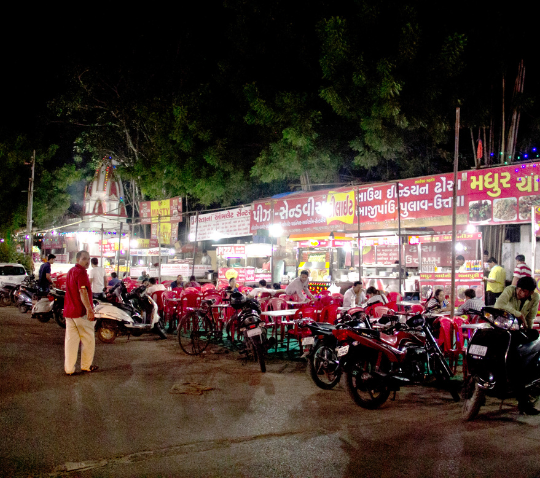
Local Eateries Near Adalaj

You can find a lot of local food stalls to add to explore the street food of Ahmedabad.
Untitled design 2 1

Cafés

The Green House at House of MG is a cosy stop with snacks and drinks during city exploration.

FAQ's

1. What is the Adalaj Stepwell?
A five-story stepwell built in 1498–1499, renowned for its intricate carvings and Indo-Islamic architecture.
Commissioned by Rana Veer Singh and completed by Sultan Mahmud Begada.
Yes, all five stories are accessible for exploration.
Yes, photography is permitted; drones are prohibited.
Approximately 1–2 hours, depending on interest.
Yes, local restaurants and House of MG provide traditional meals and refreshments.
Early morning or late afternoon for optimal light and fewer crowds.

Yes, local legend tells the story of Rani Roopba, the queen of the Vaghela dynasty, who is said to have inspired the construction of the stepwell. She played a key role in ensuring its completion and is often remembered for her devotion and bravery.

Ready to stay with us?